Genealogy Resources
Explore our curated collections for your NB research—free access for some; member only for others.
[projectsearch-widget]
Why can't I find the records I need?
NBGS Projects
Projects conducted by NBGS volunteers and partner organizations.
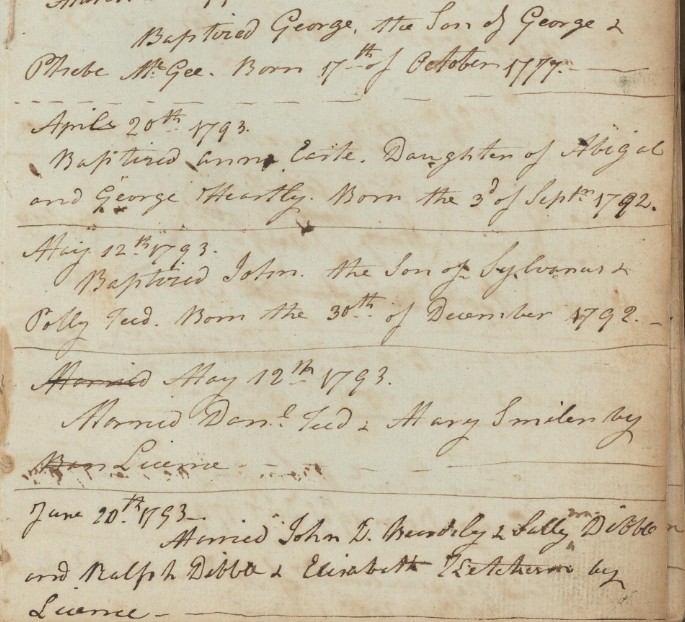
Anglican Registers ProjectAnglican Church records dating back to the 1780s. Over 1.3 million names to search. The Anglican Registers Project offers access to church records dating back to the 1780s, including baptisms, marriages, and burials. With over 1.3 million searchable names, it is a vital resource for genealogists and historians tracing New Brunswick heritage. |
 |
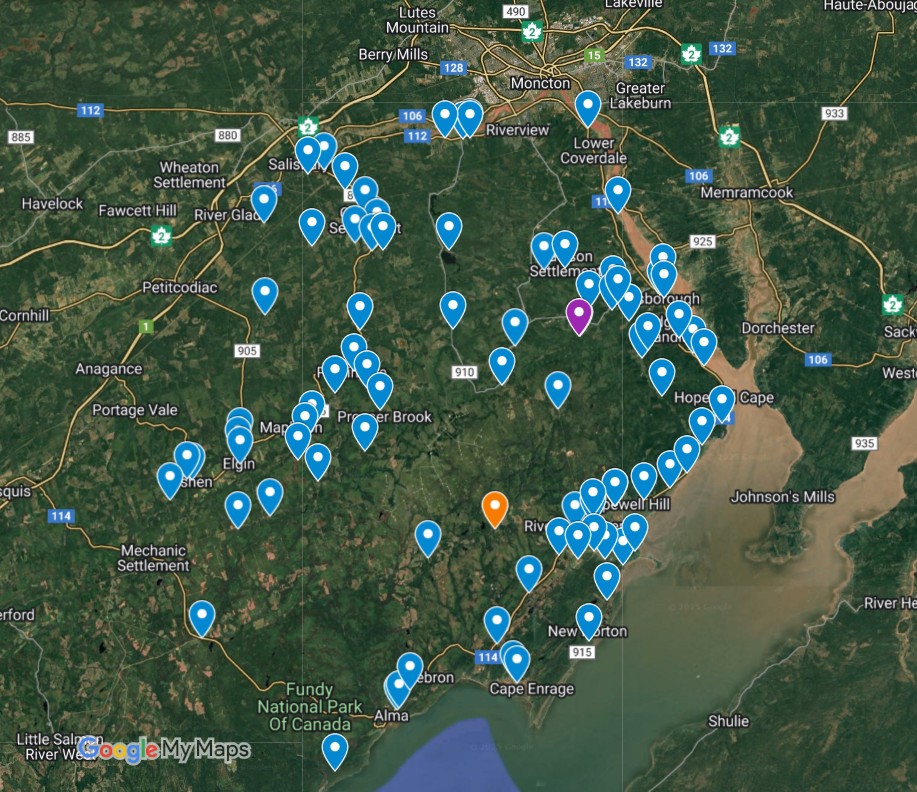
Cemeteries & BurialsCemetery and burial transcriptions and mapping projects. The Cemeteries & Burials collection records gravestones, burial registers, and cemetery transcriptions from across New Brunswick. It preserves essential details about dates, relationships, and local traditions for future research. Explore the Cemetery Maps showing the locations of known cemeteries in NB, sorted by county. |
 |
Probate Records ProjectProbate Court records dating back to the 1780s. The Probate Records Project contains official court documents dating to the 1780s, including wills and estate records. These materials provide invaluable insights into family ties, inheritance, and settlement patterns across New Brunswick. |
 |
Obituaries ProjectAn index to the death notices and obituaries published in New Brunswick newspapers. The Obituaries Project indexes death notices and obituaries published in New Brunswick newspapers. It preserves personal stories and family connections, making it a key resource for both genealogists and community historians. |
 |
Search Our Resources
As a member of NBGS you have unlimited access to our online resources, which include our projects, member donated material and much more.